
FHA Multifamily Loans: A Complete Guide to Buying a 2- to 4-Unit Property
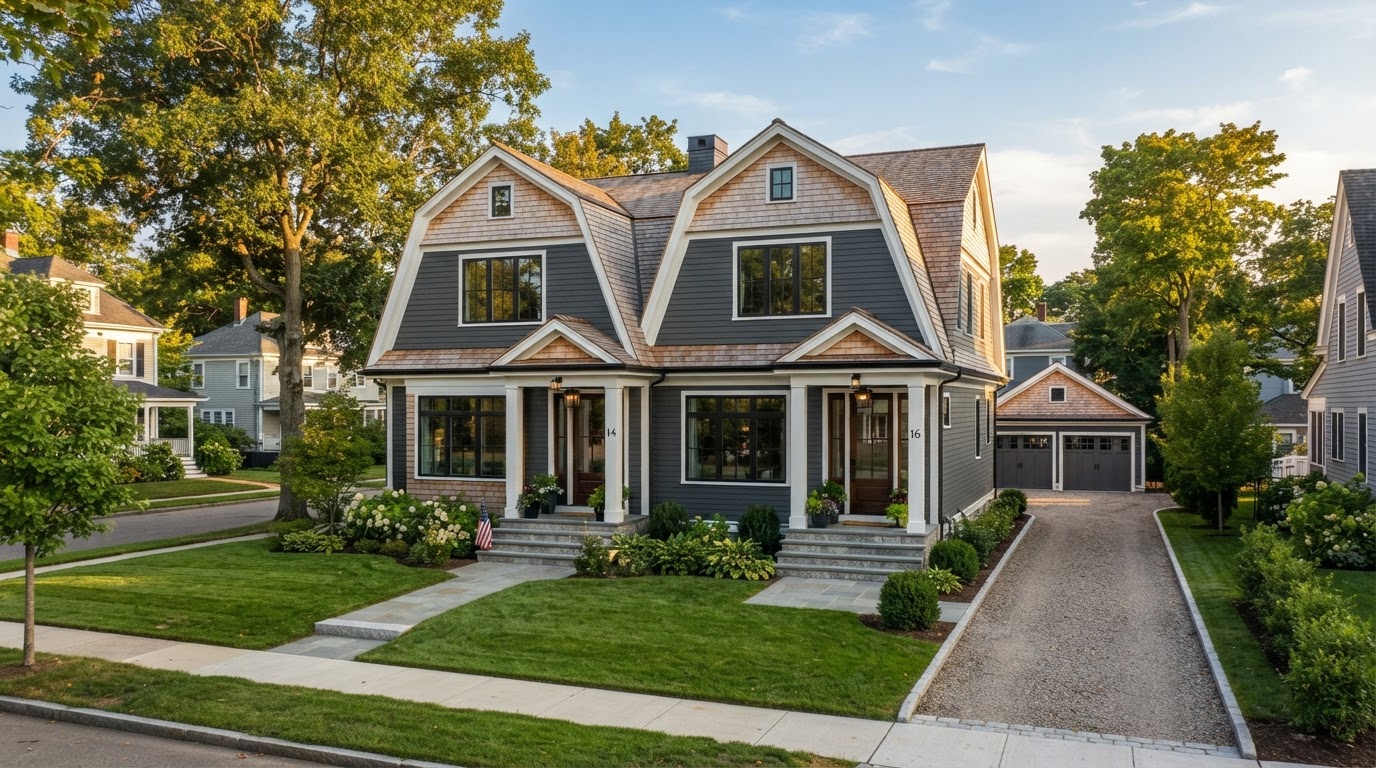
FHA loans are known for helping people become homeowners, but they can do more than finance a single-family house. For buyers who are open to living in one unit and renting out the others, an FHA multifamily loan offers a path to owning a two-, three-, or four-unit property. The concept is simple. You move into one unit as your primary residence, and the other units produce rental income. In return, you get a low down payment and flexible credit requirements that can make the purchase more achievable.
What Is an FHA Multifamily Loan?
An FHA multifamily loan is a mortgage backed by the Federal Housing Administration that lets owner-occupants buy 2- to 4-unit properties like duplexes and fourplexes. The traditional FHA mortgage program can be used for a property with up to four units, as long as the buyer lives in one of them. These loans are designed for people who want to own a multi-family home, not for investors who plan to rent out every unit. FHA loans are ideal for this kind of purchase because they combine low down payments with flexible credit requirements.
The Owner-Occupancy Requirement
Every FHA multifamily loan carries the same central rule: you are required to live in one unit as your primary residence. That means the property cannot be a pure investment. You must occupy one of the units yourself, and the other units can be rented to tenants. This requirement keeps the program focused on home buyers. It also means the property should be the place where you actually live, not a house you buy and manage from somewhere else. For many buyers, that is a fair trade for the financial benefits the loan provides.
Down Payment and Credit Score Requirements
The down payment is one of the main reasons buyers choose this program. For a property with 2 to 4 units, you only need to put down 3.5% if you live in one of the units and have a credit score of 580 or higher. That is a much lower hurdle than many conventional investment loans, which often require larger down payments. The combination of a modest down payment and flexible credit requirements makes FHA multifamily loans attractive to first-time buyers and to people returning to homeownership after a gap. Just remember that the down payment is separate from closing costs and other purchase expenses.
FHA Multifamily Loan Features at a Glance
The table below summarizes the key features of an FHA multifamily loan for a 2- to 4-unit property.
| Feature | What to expect |
|---|---|
| Down payment | 3.5% for a 2- to 4-unit property when you live in one unit |
| Credit score | 580 or higher for the 3.5% down payment option |
| Owner occupancy | Required for all FHA multifamily loans |
| Units allowed | 2, 3, or 4 units |
| Loan limits | Area-specific, based on the property's location |
Buying a Multi-Family as a First-Time Home Buyer
FHA multifamily loans let you buy up to four units as a first-time home buyer. That makes the program a strong fit for buyers who want to build wealth through real estate without starting with a large cash investment. Instead of buying a single-family home, you can purchase a duplex, triplex, or fourplex, take one unit for yourself, and rent out the rest. The rent you collect can help cover the mortgage, which may lower your monthly housing costs compared with renting an apartment or owning a single-family home.
Property Types You Can Buy
The FHA program allows owner-occupants to buy 2- to 4-unit properties. Here is how the main property types work.
| Property type | Number of units | How it works |
|---|---|---|
| Duplex | 2 units | Live in one unit, rent out the other |
| Triplex | 3 units | Live in one unit, rent out the other two |
| Fourplex | 4 units | Live in one unit, rent out the other three |
How HUD and FHA-Approved Lenders Fit In
The U.S. Department of Housing and Urban Development, through its Office of Multifamily Housing, provides mortgage insurance originated by FHA-approved lenders. That insurance helps support the construction, rehabilitation, repair, refinancing, and purchase of multifamily rental housing properties. For an owner-occupied purchase of a two-, three-, or four-unit home, you work directly with an FHA-approved lender. The lender processes your application and guides you through the program, while the FHA backing is what allows the lender to offer more flexible credit requirements and a lower down payment.
Area-Specific Loan Limits
FHA multifamily loans come with area-specific loan limits. The maximum amount you can borrow depends on where the property is located. Limits can be higher in high-cost areas and lower in more affordable markets, and they can change from one county to the next. Before you begin shopping, it is smart to confirm the loan limit for the specific town or city on your list. Your lender can show you how the limit applies to the price range you are considering and help you narrow your search to properties that fit within the program.
How This Works in Massachusetts and New England
For buyers in Massachusetts, Maine, New Hampshire, and Rhode Island, the FHA multifamily loan is a practical option, especially in older neighborhoods where two- and three-family homes are common. Because loan limits are area-specific, the property's location will influence how much you can borrow. Rental demand also tends to vary by town, so it helps to review the local market before committing to a property. A mortgage advisor with New England experience can help you compare properties, understand the rental potential of each unit, and decide whether this loan structure fits your long-term goals.
The Rental Income Opportunity
The appeal of an FHA multifamily loan comes down to the rental income. You buy a home with two, three, or four units, live in one, and rent out the rest. The rent you collect from the other units can help cover the mortgage and the day-to-day costs of owning the property. For many buyers, that makes a multi-family purchase more affordable than a single-family home at a similar price. It also creates an income stream that can grow as you build equity and gain experience as a landlord.
Questions to Ask Your Lender
Before you make an offer on a multi-family property, it is smart to talk through the details with a lender. These questions are a good starting point:
- What is the FHA loan limit for the town or city where I want to buy?
- How do the down payment and closing costs fit into my total budget?
- How will the rental income from the other units be considered in the purchase?
- What steps should I take to make sure the property qualifies for the program?
Plan for the Full Cost of the Purchase
The 3.5% down payment gets most of the attention, but buying a multi-family home involves more than the down payment. Closing costs, moving expenses, and unexpected repairs can add up quickly. The purchase price also has to fit within the area-specific loan limit for the property's location. Because every purchase is different, it is wise to review your numbers carefully and work with a lender who can explain the full cost picture. That way, you can move through the process with a clear budget and fewer surprises at the closing table.
Frequently Asked Questions
Here are answers to common questions about buying a multi-family home with an FHA loan.
Can I use an FHA loan to buy a multi-family home?
Yes. The traditional FHA mortgage program can be used to buy a property with up to four units, as long as you live in one of the units as your primary residence. You can rent out the remaining units. This applies to duplexes, triplexes, and fourplexes, and it is available even to first-time home buyers.
How much do I need for a down payment?
For an FHA multifamily loan on a property with 2 to 4 units, you only need to put down 3.5% if you live in one of the units and have a credit score of 580 or higher. The down payment is separate from closing costs and other purchase expenses, so your total cash needed will be higher than the down payment alone.
Do I have to live in the property?
Yes. The owner-occupancy requirement is a central part of the program. You must make one of the units your primary residence. You cannot buy a multi-family property with this loan and rent out every unit. The requirement keeps the program focused on home buyers rather than pure investors.
Can a first-time home buyer buy a multi-family house?
Yes. FHA multifamily loans let you buy up to four units as a first-time home buyer. You live in one unit and rent out the rest. This approach can help a first-time buyer enter the market while creating a rental income stream from the same property. It is a popular way to reduce housing costs while building equity.
What types of properties qualify?
FHA multifamily loans are designed for 2-, 3-, and 4-unit properties such as duplexes and fourplexes. The property must be owner-occupied, meaning you live in one of the units. Loan amounts are also subject to area-specific limits, so the maximum borrowing amount depends on the property's location.
Ready to explore an FHA multifamily loan? Apply now or schedule a consultation with Sofia to discuss your financing options.